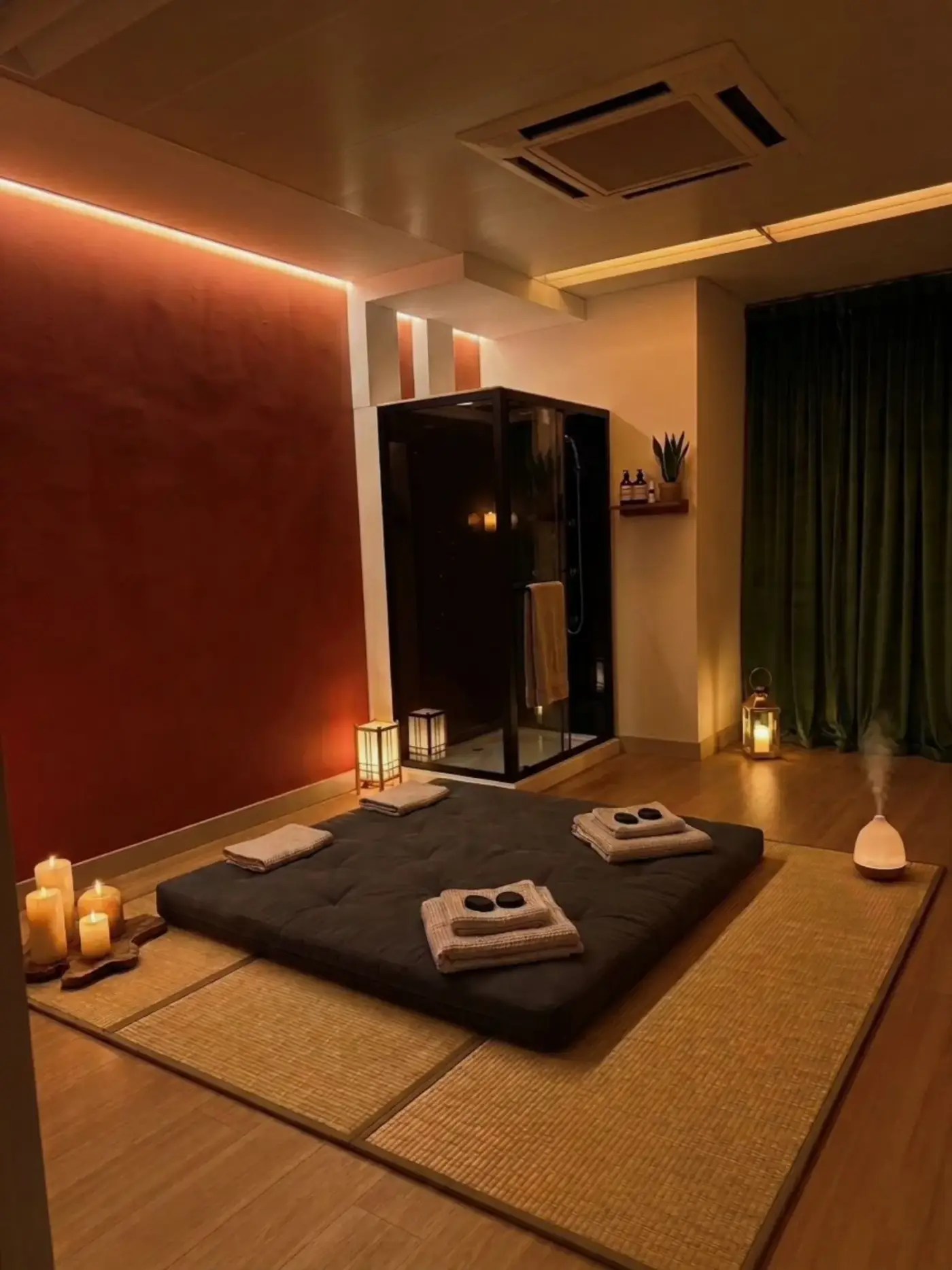
Zaya Tantric Spa team
Swedish, Thai and hot stone massage: what is the difference?
Movement, pressure and heat: explore three well-known modalities, their limits and what to check before booking.

Swedish massage: a classic approach
Swedish massage is a common Western form of classical massage using manual techniques on soft tissues. Gliding and kneading are frequent; agree on pressure with the practitioner. A gentle session and an intense session are different experiences even under the same name.
Thai massage: a distinct tradition
Thai massage belongs to an Asian tradition distinct from classical Western massage. Practice and intensity vary between practitioners. Ask whether stretching or assisted movement is included and explain mobility limitations. Do not accept painful movements as an obligatory part of a technique.
Hot stones: the role of heat
This modality uses heated stones. Heat is a feature of the experience, not proof of superior clinical effectiveness. Check the temperature and report excessive heat immediately. Seek healthcare advice before booking if you have altered sensation, skin problems or concerns about heat exposure.
What do we know about benefits?
NCCIH reports that massage may help in the short term with some types of pain, but evidence varies and many findings are limited. General findings do not prove benefits for every modality. Relaxation can be a personal aim; do not expect a cure or replace medical care. Serious adverse effects are rare but reported, particularly with vigorous techniques or increased injury risk.
Make an informed choice
Ask about technique, pressure and practitioner training; communicate preferences and discomfort. The modalities in this guide are not presented as Zaya services. The spa menu describes its own sensory experiences so you can compare and confirm details with the team.